Latin and Country Music Gain Ground as Global Streaming Reaches a New High
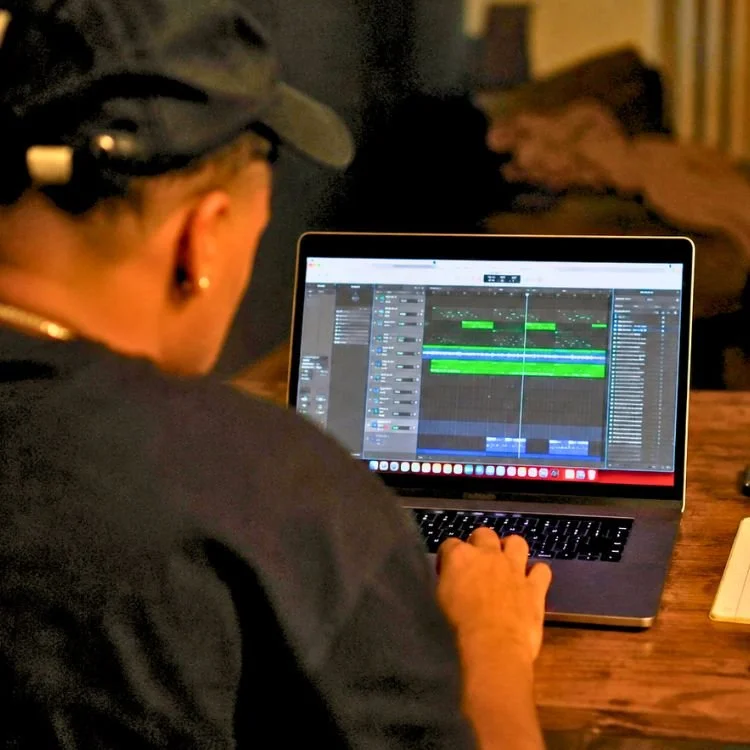
Photo Courtesy of ClapOnThree.Com
Music Consumption Continues to Expand in 2026
Global music streaming has reached another major milestone as listeners continue exploring a wider range of genres, languages, and artists.
According to Luminate’s 2026 Midyear Report, global on-demand audio streams reached 2.8 trillion during the first half of 2026. That figure increased from 2.5 trillion during the same period in 2025. In the United States, on-demand audio streams climbed to 732.7 billion.
The numbers show that streaming remains the music industry’s dominant form of consumption. However, the genres benefiting from that growth are becoming increasingly diverse.
R&B and Hip-Hop Remain on Top
R&B and hip-hop continue to represent the largest share of music streaming in the United States, generating approximately 180.3 billion streams during the first half of the year.
The genres’ overall share of album-equivalent consumption has declined, however, falling from 41 percent in 2023 to approximately 30 percent during the first half of 2026. The change does not necessarily represent a sudden loss of interest. Instead, it suggests that listeners are dividing their attention among a broader range of musical styles.
R&B and hip-hop remain influential across popular music, with elements of both genres continuing to appear in pop, country, Latin, electronic, and alternative releases.
Latin Music Reaches a Broader American Audience
Latin music is experiencing some of the most significant growth in the current streaming market.
Nearly one in every 10 songs streamed in the United States during the first half of 2026 was performed in Spanish. Latin music represented 9.4 percent of total U.S. streams, while global Latin music consumption reached 363.2 billion streams.
The rise of Latin and country music has been supported by major releases and an expanding group of listeners who regularly engage with music outside their primary genres.
Bad Bunny remains one of the leading figures behind Latin music’s international reach. His album Debí Tirar Más Fotos ranked among the most-consumed albums in the United States during the first half of the year, showing that Spanish-language projects can compete at the highest level of the American market.
Country Music Attracts Younger Streaming Audiences
Country music is also strengthening its position within the streaming economy.
The genre generated approximately 63.8 billion U.S. streams during the first half of 2026. Artists such as Ella Langley represent a growing group of performers attracting younger listeners who discover and consume country music primarily through digital platforms.
Langley’s Dandelion became one of the leading albums of the year, joining projects by Morgan Wallen and Bad Bunny near the top of the consumption rankings.
The growth suggests that country music is no longer relying as heavily on traditional radio and physical sales. Streaming services, social platforms, collaborations, and genre-blending releases are helping country artists reach listeners beyond the genre’s established audience.
Artificial Intelligence Begins Appearing in Streaming Data
The report also identified increased activity surrounding AI-generated music.
Several AI-related tracks accumulated significant streaming numbers during the first half of 2026. However, Luminate noted that AI-generated releases have not yet created a lasting change in overall listening behavior.
Artificial intelligence is already affecting music production and creative workflows, but the industry continues debating how AI-generated recordings should be identified, credited, licensed, and separated from work created primarily by human artists.
For independent musicians, those discussions may become increasingly important as streaming platforms determine how artificial content will be labeled and recommended.
A More Diverse Streaming Market
The latest figures reveal a music industry that is continuing to grow while becoming less dependent on one dominant genre or language.
R&B and hip-hop remain powerful commercial and cultural forces, but Latin and country music are gaining a larger share of listeners. At the same time, international releases and developing technologies are creating additional competition for audience attention.
For artists, the changing market offers both an opportunity and a challenge. Listeners appear more willing to explore music across languages and genres, but the volume of available content makes it increasingly important for artists to establish a clear identity and build direct connections with their audiences.
The first half of 2026 demonstrates that music consumption is not slowing down. It is expanding into a broader and more varied global ecosystem.
References
The Key Engagement and Consumption Trends That Shaped Music, TV & Film in H1 2026
Latin and Country Surge in the US as More Music Is Being Streamed Than Ever Before